
Categories
Entrepreneur, 2026 Real EstatePublished June 2, 2026
Business Insurance 101: Essential How-To's for Every Entrepreneur!

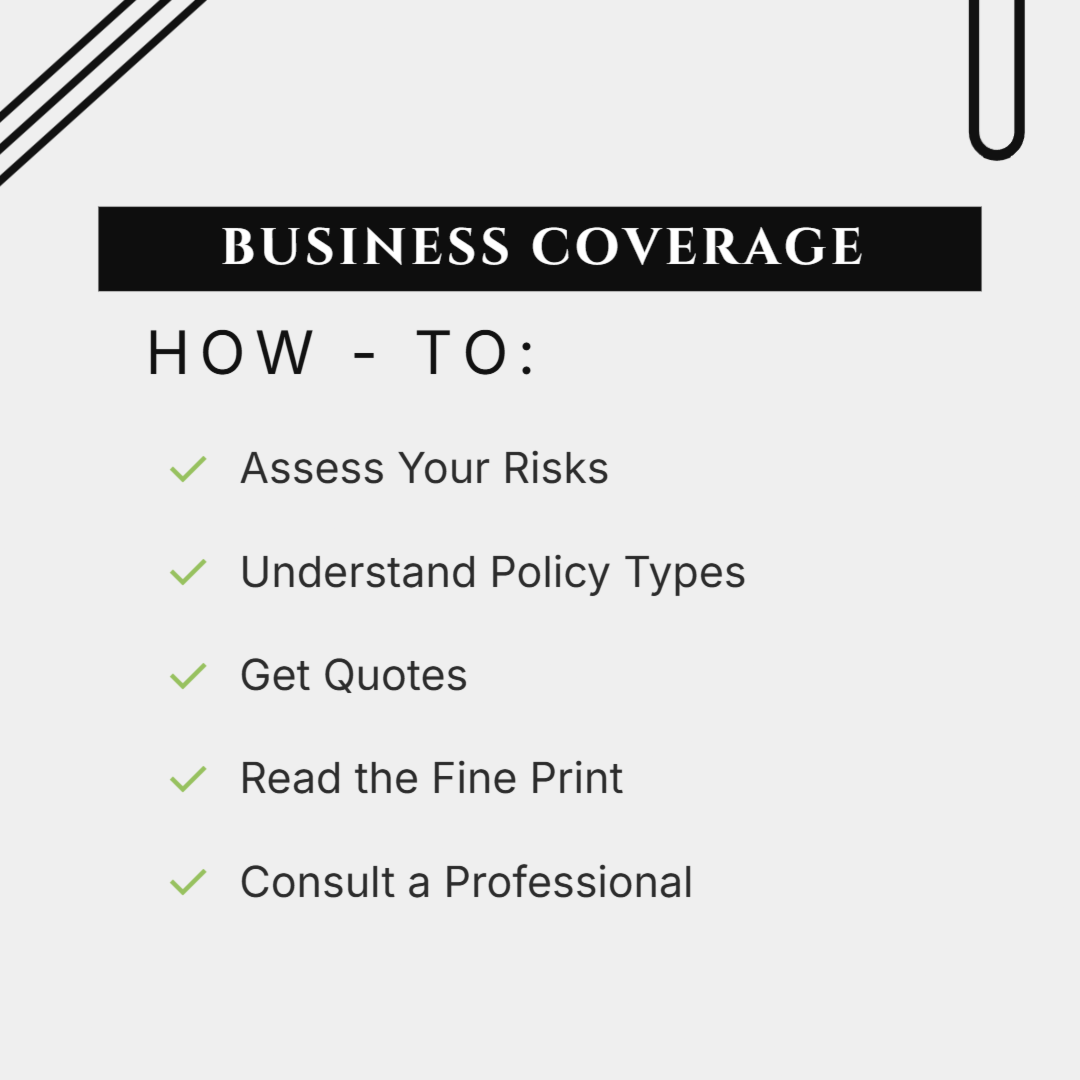
Starting and growing a business takes dedication, planning, and hard work. While entrepreneurs often focus on serving clients, managing operations, and increasing revenue, one important area that shouldn't be overlooked is business insurance.
The right insurance coverage can help protect your business from unexpected events, allowing you to focus on long-term success with greater confidence. Whether you're launching a new venture or reviewing your current policies, understanding the basics of business insurance is an important part of responsible business ownership.
1. Assess Your Business Risks
Every business faces unique risks based on its industry, size, services, and operations. A retail store may have different concerns than a consulting firm, while a contractor's insurance needs will differ from those of an online business.
Take time to evaluate potential risks such as:
- Property damage
- Customer injuries
- Professional errors or omissions
- Employee-related incidents
- Cybersecurity concerns
Understanding your specific exposures can help you determine what types of coverage may be appropriate for your business.
2. Learn About Common Types of Coverage
Business insurance is not a one-size-fits-all solution. Some common policies include:
General Liability Insurance
Helps protect against claims involving bodily injury, property damage, or advertising-related issues.
Commercial Property Insurance
Provides coverage for business property, equipment, inventory, and physical locations in the event of covered losses.
Workers' Compensation Insurance
Required in some situations and designed to provide benefits if employees experience work-related injuries or illnesses.
Professional Liability Insurance
Also known as Errors and Omissions (E&O) insurance, this coverage may help protect businesses that provide professional services or advice.
Reviewing these options can help you better understand which policies align with your business operations.
3. Compare Multiple Quotes
Insurance costs and coverage options can vary significantly between providers. Taking the time to compare quotes from several insurers can help you find a balance between affordability and protection.
When reviewing quotes, consider:
- Coverage limits
- Deductibles
- Policy exclusions
- Claims process and customer service
- Financial strength of the insurance company
The lowest premium isn't always the best value if it leaves important gaps in coverage.
4. Read the Fine Print
Insurance policies contain important details about what is and isn't covered. Carefully reviewing policy language can help prevent surprises when you need to file a claim.
Pay close attention to:
- Coverage exclusions
- Waiting periods
- Deductibles
- Policy limits
- Renewal terms
If any language is unclear, don't hesitate to ask questions before purchasing a policy.
5. Work With a Trusted Professional
Insurance can be complex, especially as your business grows. An experienced insurance professional can help explain coverage options, identify potential gaps, and recommend solutions based on your business needs.
Regular policy reviews are also important, particularly if you've added employees, expanded services, purchased equipment, or moved locations.
Protecting Your Business for the Future
Business insurance is an investment in the long-term stability of your company. By understanding your risks, exploring coverage options, comparing providers, and seeking professional guidance, you can make informed decisions that support your business goals.
Taking proactive steps today can help you navigate unexpected challenges tomorrow and keep your business moving forward with confidence.
or another way